
Did My Dad Avoid Telling Me My Grandad Died

Yes, I think my dad avoided telling me. I do not think this was a misunderstanding, a missed message, or one of those awkward family moments where everyone assumes someone else has passed the news on.
Yesterday, I found out my grandad had died that morning.
Not from my dad.
Not from anyone on my dad’s side of the family.
I found out through my mum, who had been told by my brother, who had been told by my dad.
That chain of information says everything.
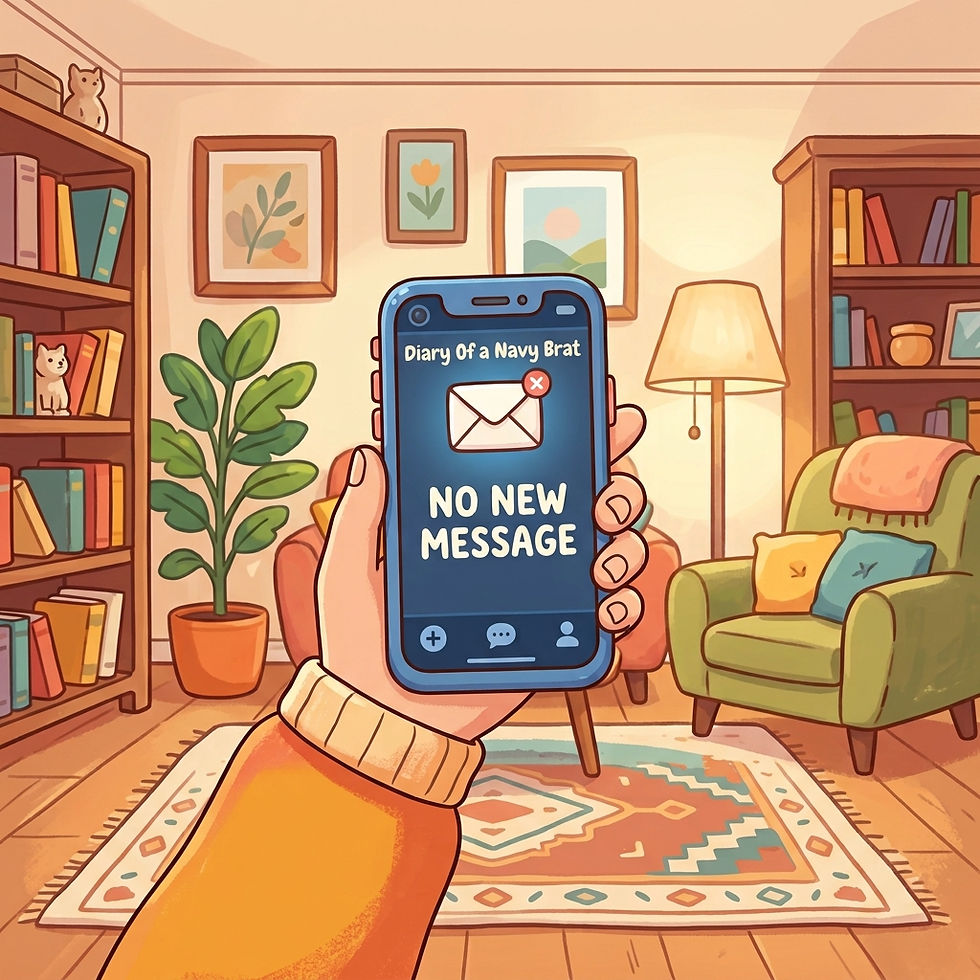
My dad has my contact details. He knows how to reach me. He could have sent a message. He could have called. He could even have sent something blunt and short, just to let me know. Instead, the news travelled around me before it reached me.
And that is what hurts.
I was not close to my grandad. I cannot pretend I was. I do not think I have seen him since my great-grandmother’s funeral, when I was about thirteen years old. But being close to someone is not the only reason you tell a person there has been a death in the family.
Sometimes you tell them because it is decent.
Sometimes you tell them because they still belong to the family history.
Sometimes you tell them because leaving them to find out second-hand is cruel.
This was not about closeness, it was about courtesy
I know some people may look at this and say, “Well, if you were not close to your grandad, why does it matter?”
It matters because death is not just about the person who has died. It also stirs up everything around that person. Old memories. Old wounds. Family patterns. The strange ache of being connected to people who still manage to treat you like an outsider.
I was not close to my grandad, but he was still my grandad.
He was part of my dad’s family. He was part of the family I knew as a child, even if that connection faded as I got older. He was part of visits down south, social clubs, Sunday routines, and family names that shaped the background of my childhood.
A basic courtesy message would have been enough.
Something like:
Just letting you know, your grandad passed away this morning.
That is all it needed to be.
No long emotional speech. No pretending we had a close relationship. No forced grief. Just a simple acknowledgement that I deserved to hear about a death in my own family directly, not through a chain of other people.
That is why this hit harder than I expected.
Not because my grandad and I had a strong bond. We did not.
It hit because my dad made a choice.
The way I found out says more than the death itself
There is something cold about hearing family news through a chain.
My mum was told by my brother. My brother was told by my dad. My dad did not tell me.
That is the part I keep coming back to.
He did not forget how to contact me. He did not lose my number. He did not have no way of reaching me. He simply told someone else and let the news move around without including me.
When that happens, it does not feel accidental. It feels like a decision.
And maybe that sounds harsh, but I think sometimes we dress things up too much. We make excuses for people because the truth is uncomfortable. We tell ourselves they were busy, grieving, stressed, unsure what to say, or thought someone else would tell us.
Maybe some of that is true.
But grief does not stop a person sending a short message to one child while managing to tell another.
If my brother could be told, I could have been told.
That is where the answer becomes obvious to me.
Are my dad’s family avoiding me? At this point, yes, I think they are.
Maybe not in a dramatic way. Maybe there is no group chat where everyone has agreed to leave me out. Maybe no one is saying it out loud. But avoidance does not always look like a big confrontation. Sometimes it looks like silence. Sometimes it looks like being skipped. Sometimes it looks like news going to everyone except you.
And that kind of avoidance is still avoidance.
Memories make family complicated
The strange thing is, when I think about that side of the family, my strongest memories are not of my grandad. They are of my great-grandmother.
Out of everyone on my dad’s side, she was the best.
She is the one I remember clearly. She was the first person I counted to 100 with. She taught me how to knit. Her Sunday roast dinners were fantastic. Those are the kinds of memories that stay with you because they are warm and simple. No drama. No confusion. Just a child feeling safe with someone older who had patience and time.
I remember those moments more than most things.
That is probably why this latest situation has brought up more than just the news of my grandad’s death. It has brought up that whole side of the family. It has made me think about who made me feel welcome and who did not. Who showed up. Who faded away. Who feels like family in name only.
My grandad, from what I remember, was a nice man.
He was a typical grumpy old man, or at least that is how I remember him. He liked being down the social club, and that was where we would usually see him when we visited from down south. He was not someone I had a deep relationship with, but I also do not remember him as someone cruel or horrible.
He was just there, in the background of childhood.
Sometimes that is enough for a death to feel strange. Not devastating, but strange. Like a door closing on a part of your life you had not visited in years.
Being left out creates its own grief
There is grief for the person who has died, and then there is grief for the family you wish you had.
For me, this feels more like the second one.
I am not sitting here pretending to be broken over my grandad’s death in the way someone might be if they saw him every week or spoke to him often. That would not be honest.
But I am upset by the way I found out.
I am upset that my dad could tell my brother and not me.
I am upset that, once again, I feel like someone people can forget, exclude, or inform later if it happens to reach me.
Being left out does something to you. It makes you question your place. It makes you replay old situations. It makes you wonder if there was a moment when you became separate from everyone else, or if you were always seen that way.
And when it is family doing it, it cuts differently.
Friends drift. People move. Life changes. But family has this way of making absence feel personal. Especially when the absence is selective.
If nobody had been told yet, that would be one thing.
If my dad had been unable to contact anyone, that would be one thing.
But he told my brother.
So the issue is not that he could not share the news. The issue is that he did not share it with me.
The counterargument does not change the impact
I can already hear the excuses.
Maybe my dad was grieving.
Maybe he did not know how I would react.
Maybe he thought my brother would pass it on.
Maybe he assumed my mum would tell me.
Maybe because I was not close to my grandad, he did not think I needed to know directly.
Those explanations might soften the edges for some people, but they do not change the impact.
If you are able to tell one child that their grandad has died, you are able to tell another. Even if the relationship is strained. Even if the message is awkward. Even if you do not know what response you will get.
A death in the family is not gossip to pass along casually. It is not something a person should find out in a messy chain unless there is truly no other option.
A message would not have fixed everything between us. It would not have rebuilt trust or healed years of distance. But it would have shown a basic level of respect.
And sometimes basic respect matters most when the relationship is already fragile.
That is what people miss. When there is already distance, small actions carry more weight. A message can say, “I still see you.” Silence can say, “You do not count.”
Whether he meant it that way or not, that is how it landed.
I am allowed to name what happened
I think a lot of people struggle to call out family behaviour because they do not want to seem dramatic.
There is pressure to be the bigger person. To stay quiet. To understand everyone else’s feelings before your own. To accept crumbs of communication and call them enough.
But at some point, you have to be honest.
This was not kind.
This was not thoughtful.
This was not fair.
My dad choosing not to contact me about my grandad’s death was hurtful, and I do not need to pretend otherwise just because my grandad and I were not close.
I can hold both truths at once:
I was not close to my grandad.
I still deserved to be told directly.
Those two things do not cancel each other out.
You do not have to be close to someone to deserve basic information about your own family. You do not have to perform grief to justify feeling hurt. You do not have to prove that a relationship was important enough before you are allowed to be upset about being excluded.
This is the part I am sitting with now.
Not just the fact that my grandad died, but the fact that my dad handled it this way.
What this has made clear to me
For anyone who read my last post, this one probably does hit home harder, because it feels like another piece of the same pattern.
A family can avoid you without making a scene.
They can avoid you by not inviting you.
They can avoid you by not checking in.
They can avoid you by passing news around you.
They can avoid you while still claiming nothing is wrong.
That is what makes it so frustrating. If someone openly says, “I do not want contact,” at least you know where you stand. It hurts, but it is clear. What is harder is the quiet exclusion. The kind where you are technically still connected, but only when it suits them.
This situation has made something painfully clear to me. I cannot keep pretending not to notice.
My dad had the chance to do the decent thing. He chose not to.
Maybe one day there will be a conversation about it. Maybe there will not. Right now, I do not feel the need to chase explanations from someone who already showed me where I stand.
A courtesy message would have taken seconds.
The silence said more.
FAQ
Is it wrong to feel hurt if I was not close to the person who died?
No. Being hurt is not only about the relationship you had with the person who died. It can also be about how the news was handled, who included you, and what the situation revealed about family dynamics.
Should a parent tell all their children about a family death?
In my opinion, yes. If a parent has contact details and can safely reach their children, they should tell them directly. Even a short message is better than letting them hear it through someone else.
What if my dad thought someone else would tell me?
That may be an explanation, but it does not remove the hurt. When the news is serious, especially a death in the family, assuming someone else will pass it on can feel careless and dismissive.
Does being excluded mean my family is avoiding me?
One situation alone might not prove that. But if being left out is part of a wider pattern, it is reasonable to question it. Avoidance often shows through repeated silence, missing invitations, and indirect communication.
Do I have to confront my dad about this?
No. You can choose to speak to him, or you can choose to sit with it first. A conversation may help if you want clarity, but you do not owe anyone immediate access to your feelings when you are still processing them.
My final thought
I did not need a grand gesture. I did not need comfort from people who are not comfortable being there for me. I did not even need a long conversation.
I needed a message.
That is what makes this so simple and so painful.
My grandad died, and my dad told other people before the news reached me. He had my details. He had the chance. He chose not to use it.
So yes, I think my dad avoided telling me.
And sometimes the smallest silence tells the loudest truth.


Comments